Certified Mold Assessments in Houston, Texas: What’s Included, When It’s Needed, and How Results Guide Decisions
Certified mold assessment Houston services are often misunderstood in Greater Houston’s humid climate. You need clear facts about what these assessments include, when they provide value, and how their findings influence real estate decisions. This post breaks down certified mold assessments led by licensed mold consultants Houston trusts, focusing on practical insights to help you navigate moisture intrusion and indoor air quality concerns confidently.
Understanding Certified Mold Assessments
Certified mold assessments in Houston start with understanding their purpose. These assessments provide a thorough evaluation of potential mold issues, helping you make informed decisions about property health and investments.
What Is Included in the Process
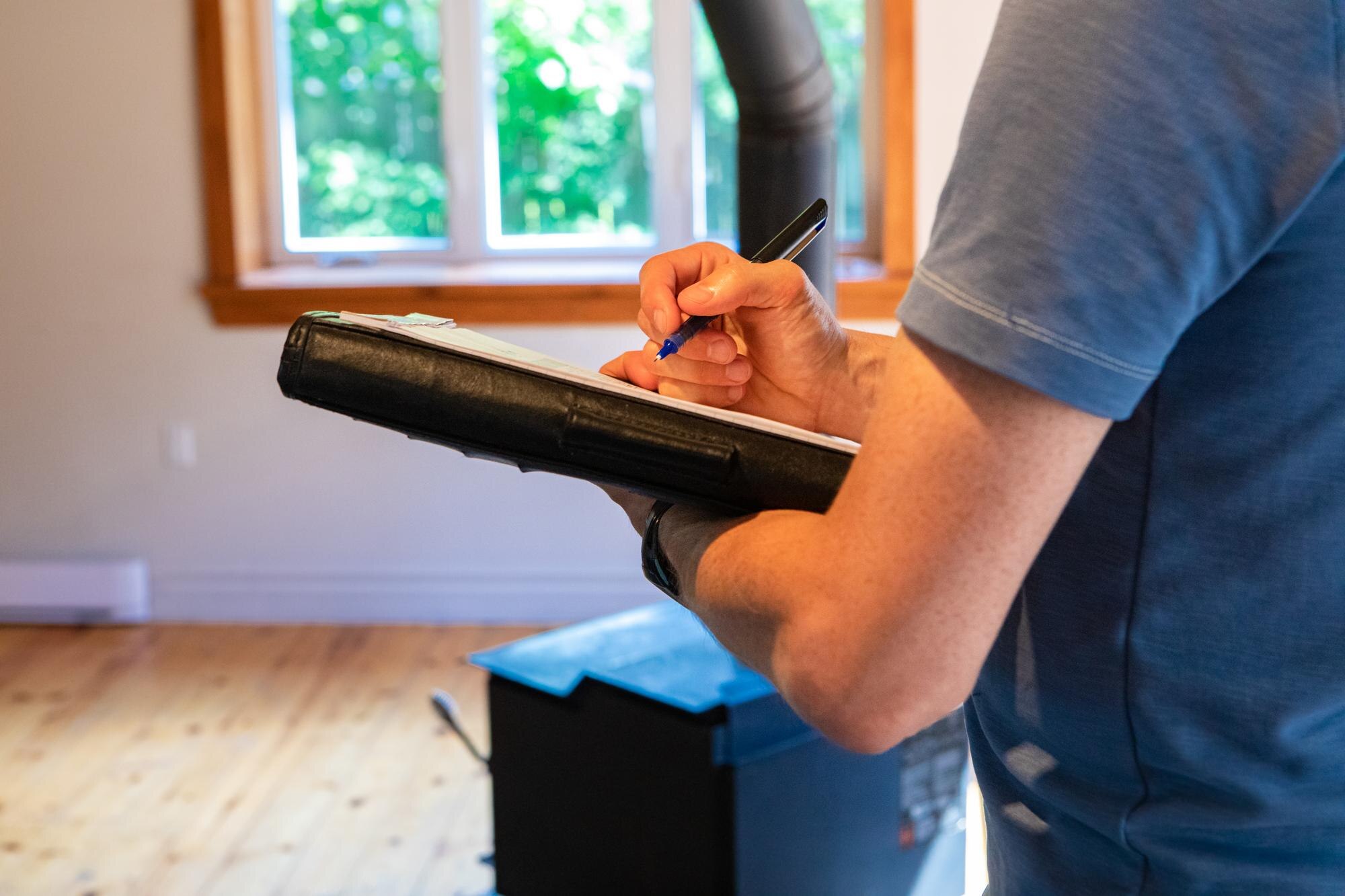
A certified mold assessment covers several key components. First, a visual inspection is conducted to spot visible mold or conditions that could lead to mold growth. This includes checking areas prone to moisture, like basements and bathrooms. Next, the consultant may collect samples to test for mold spores. These samples provide a detailed insight into the types and levels of mold present.
The assessment also involves measuring humidity levels and inspecting HVAC systems, as these can influence mold growth. Consultants will provide a report detailing their findings, including potential risks and recommendations for managing any mold issues. This comprehensive approach ensures that you have a clear understanding of your property’s condition, allowing you to take any necessary actions promptly.
Tools and Techniques Used
In a mold assessment, a range of modern tools are employed to ensure accuracy. Moisture meters help identify areas of high moisture, which can indicate potential mold growth. Infrared cameras are also used to detect hidden moisture behind walls or ceilings.
Consultants often rely on air sampling devices to capture mold spores from the air. These tools are crucial for identifying mold types that aren’t visible to the naked eye. The precise data collected is then analyzed in a laboratory, ensuring that the assessment is both thorough and reliable. By using these advanced techniques, a mold assessment ensures you have the most accurate picture of your property’s indoor air quality.
When Mold Assessments Are Needed

Knowing when a mold assessment is necessary can save you from potential property damage and health issues. Understanding the indicators of mold presence is crucial for timely intervention.
Indicators of Potential Mold Issues
Several signs may suggest the need for a mold assessment. Visible mold growth is the most obvious indicator. If you spot any unusual discoloration on walls or ceilings, it’s time to investigate further. Musty odors are another red flag, often pointing to hidden mold.
Water damage from leaks or floods can also lead to mold, so it’s wise to get an assessment after any such event. Additionally, if there are health symptoms like allergies or respiratory problems that improve when away from the property, mold could be a culprit. Addressing these indicators promptly can prevent more significant problems down the line.
Importance for Real Estate Transactions
Mold assessments hold significant value in real estate transactions. For buyers, they provide peace of mind by ensuring the property is safe and healthy. For sellers, having a clean assessment can enhance property appeal and potentially increase value.
During negotiations, a mold assessment report can be a powerful tool. Buyers can use it to negotiate repairs or price adjustments, while sellers can showcase a clean bill of health to support their asking price. In both cases, the insights gained from a mold assessment play a critical role in closing successful real estate deals.
How Assessment Results Guide Decisions

The results of a mold assessment offer clarity, allowing you to make informed decisions about property management and negotiations.
Informing Negotiations and Planning
Assessment findings provide a factual basis for negotiations. If mold is detected, you can negotiate for remediation costs or adjustments in the asking price. Conversely, a clear assessment report can strengthen your position as a seller, assuring potential buyers of the property’s condition.
In planning, the detailed report helps you prioritize necessary actions. By understanding the extent and type of mold present, you can plan targeted remediation efforts. This ensures efficient use of resources, addressing only what’s necessary to maintain a healthy environment.
Supporting Long-term Property Management
For long-term property management, a mold assessment is invaluable. It helps you identify and address issues before they escalate, saving time and money. Regular assessments can also be part of a preventive maintenance plan, ensuring your property remains in top condition.
By addressing mold proactively, you not only protect the property’s value but also the wellbeing of its occupants. This long-term approach builds trust with tenants or buyers, showcasing your commitment to maintaining a safe and healthy environment.
Join Houston locals who trust our thorough inspections for peace of mind before buying.