
11-Month Warranty Inspections in Houston: What to Document Before Coverage Ends
Your new home’s builder warranty is about to expire. Missing the chance for a thorough pre-warranty expiration inspection leaves you with limited recourse for hidden issues. An 11-month inspection Houston homeowners trust, like those by Cliff-Bell Building Inspections, offers clear documentation of your home’s condition, helping you prioritize repairs and communicate confidently with your builder. Understanding what to document now can save time and avoid disputes later. If your home is 9–11 months old, schedule a pre-warranty inspection with Cliff-Bell to document conditions before builder coverage expires.
Importance of Pre-Warranty Inspections
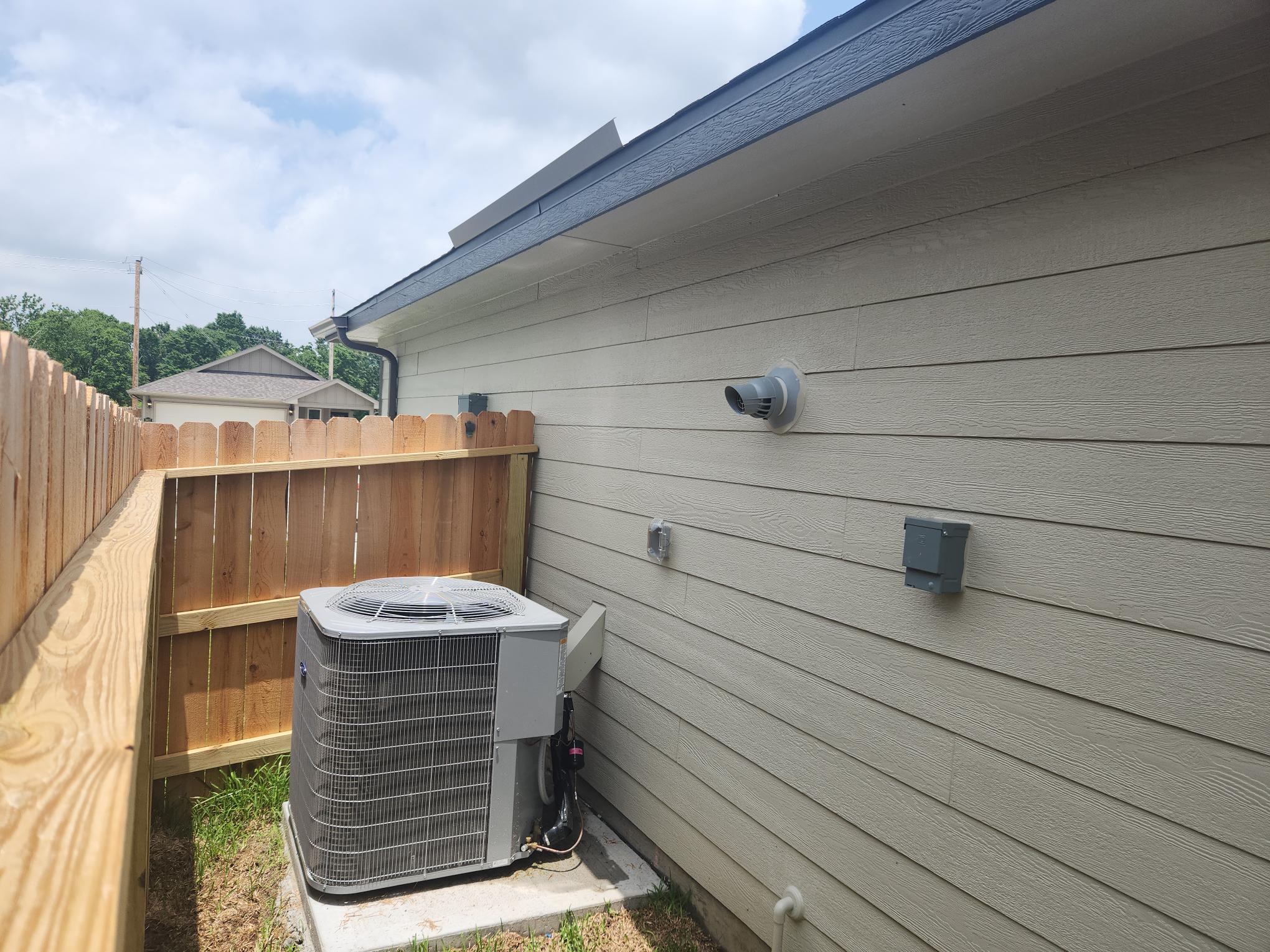
Ensuring your home is in top condition before the builder warranty expires is crucial. This inspection helps you discover potential issues early, saving you from costly repairs later.
Understanding Coverage Limits
Every builder warranty has its limits. Knowing these boundaries helps you understand what issues can be addressed under your warranty. As you approach the end of your warranty period, having a detailed inspection is key. Many homeowners assume their coverage is all-encompassing, but that’s not always the case. Some warranties only cover structural issues, while others might include electrical or plumbing systems. Knowing the specifics allows you to focus your inspection on areas that matter the most. This insight ensures you’re making the most of your warranty period.
Identifying Common Issues
Common problems often arise in new homes. Identifying these early prevents future headaches. Many new homeowners face issues like minor cracks, leaks, and electrical glitches. These might seem small now, but they can develop into bigger problems if left unchecked. For instance, a small leak can lead to water damage, which is costly to repair. Electrical issues, if ignored, can become safety hazards. By pinpointing these early, you address them while they’re still covered, saving time and money. Most people think these problems will resolve themselves, but proactive attention is necessary.
Key Areas to Document
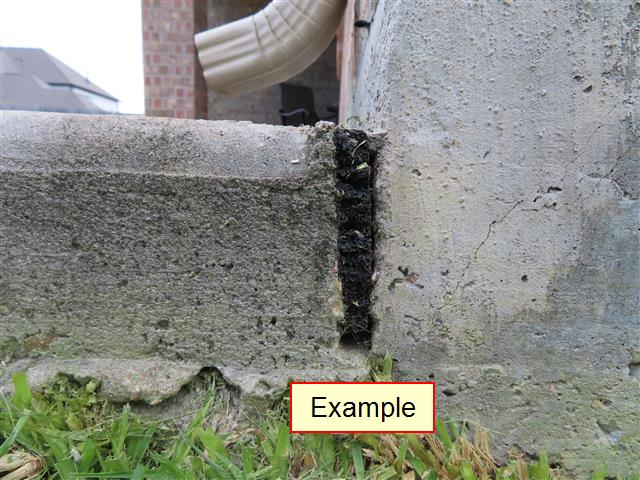
During an inspection, focusing on key areas ensures comprehensive coverage. This helps you create a prioritized list of repairs.
Structural and Moisture Concerns
Structural and moisture issues are common in homes. These can affect your home’s integrity over time. Inspectors often check for foundation cracks, which can signal larger problems. Moisture is another concern, especially in Houston’s humid climate. It can lead to mold growth and structural damage. By inspecting your home for these issues, you prevent long-term damage. Many homeowners overlook these, thinking they’re minor. However, addressing them now avoids future costs. Documenting these areas provides a clear picture of your home’s current state.
HVAC and Electrical Systems
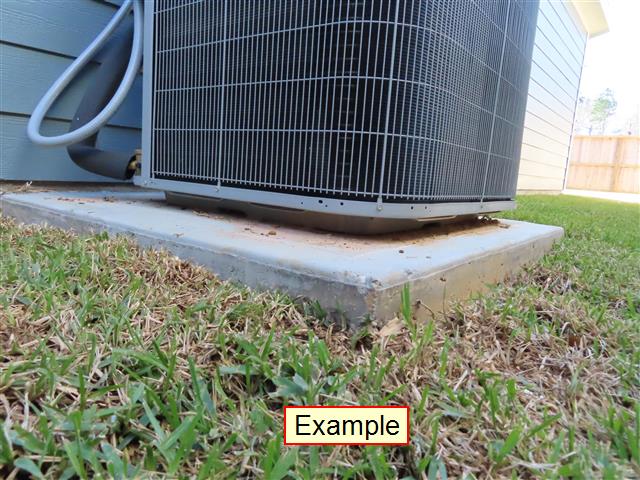
HVAC and electrical systems are vital for your home’s comfort and safety. Ensuring these systems work properly is essential. Inspectors will check for any irregularities in the HVAC system, such as airflow issues or unusual noises. Electrical inspections focus on wiring, circuit breakers, and outlets. These checks ensure everything is functioning correctly and safely. Small issues in these systems can lead to significant problems if ignored. Regular maintenance and inspection keep them running efficiently, minimizing future breakdowns. This proactive approach protects your investment in the long run.
Preparing for Builder Discussions
After your inspection, the next step is discussing findings with your builder. This helps ensure identified issues are addressed promptly.
Crafting a Comprehensive Report
A thorough report is essential for effective communication with your builder. This report should be clear and detailed, highlighting each identified issue. Including photos and descriptions gives a complete picture of your home’s condition. Most builders appreciate detailed documentation as it helps them understand and address problems efficiently. The report serves as a reference, ensuring both parties are on the same page. It’s a tool that facilitates constructive discussions, leading to quicker resolutions of identified issues.
Prioritizing Repairs and Monitoring
Once you have your report, prioritize repairs based on urgency. Not all issues require immediate attention. Categorizing them helps manage your time and budget effectively. For example, safety concerns should be addressed first, while cosmetic issues can wait. Continuous monitoring of your home’s condition is also important. Regular checks ensure everything remains in optimal condition. This ongoing attention prevents minor issues from becoming major problems, ensuring your home remains safe and comfortable for years to come.
In conclusion, being proactive with your pre-warranty inspection empowers you to maintain your home effectively. By understanding your warranty, identifying common issues, and preparing for discussions, you protect your investment and ensure a comfortable living environment.
Join Houston locals who trust our thorough inspections for peace of mind before buying.