Houston Moisture Diagnostics: Practical Ways to Reduce Long‑Term Building Deterioration
Moisture intrusion in Houston’s humid climate quietly chips away at building value over time. Without targeted moisture diagnostics, hidden issues often go unnoticed until costly damage appears. Understanding how specialized tools like thermal imaging inspections and licensed mold assessments reveal early risks helps you prioritize repairs and negotiate smarter during due diligence. If moisture is on your radar in a current transaction or portfolio, request a moisture-focused assessment with Cliff-Bell to confirm sources, define scope, and set practical next steps. Learn more about moisture control here.
Understanding Moisture Diagnostics
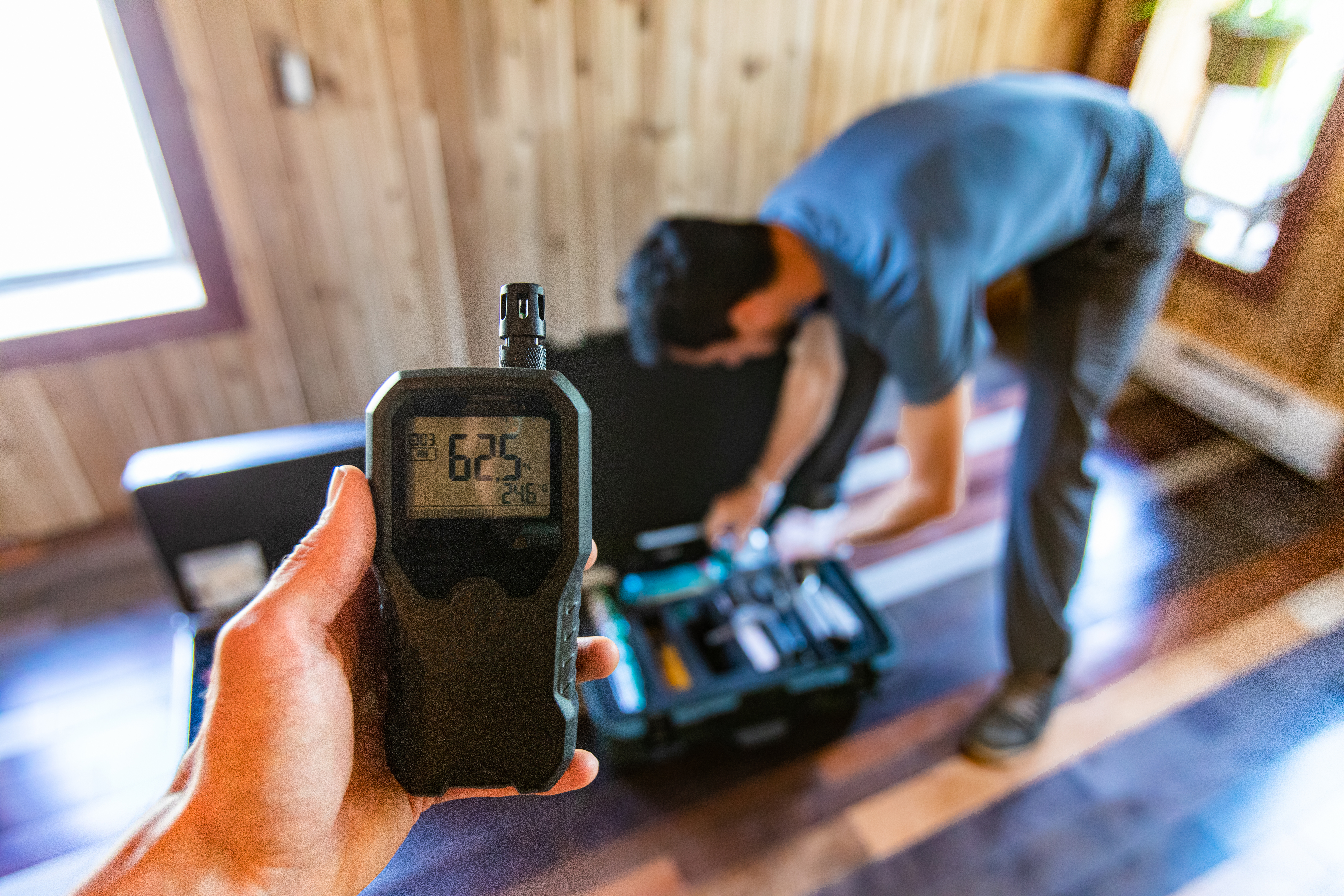
In Houston, understanding moisture diagnostics is key to preventing long-term property damage. Early detection can save you time and money by catching issues before they escalate.
Importance of Early Detection
Spotting moisture problems early is like finding a leak in your boat before it sinks. A small issue now could mean big savings later. When you catch moisture early, you prevent costly repairs. It’s not just about saving money; it’s about protecting your investment. Hidden moisture can lead to mold, which can be a health risk. So, when you know where moisture might lurk, you can act swiftly and confidently.
Early detection also gives you negotiation power during property transactions. You’ll have the upper hand, knowing exactly what needs fixing. This insight helps you make informed decisions, whether you’re buying, selling, or maintaining a property.
Tools for Moisture Assessment
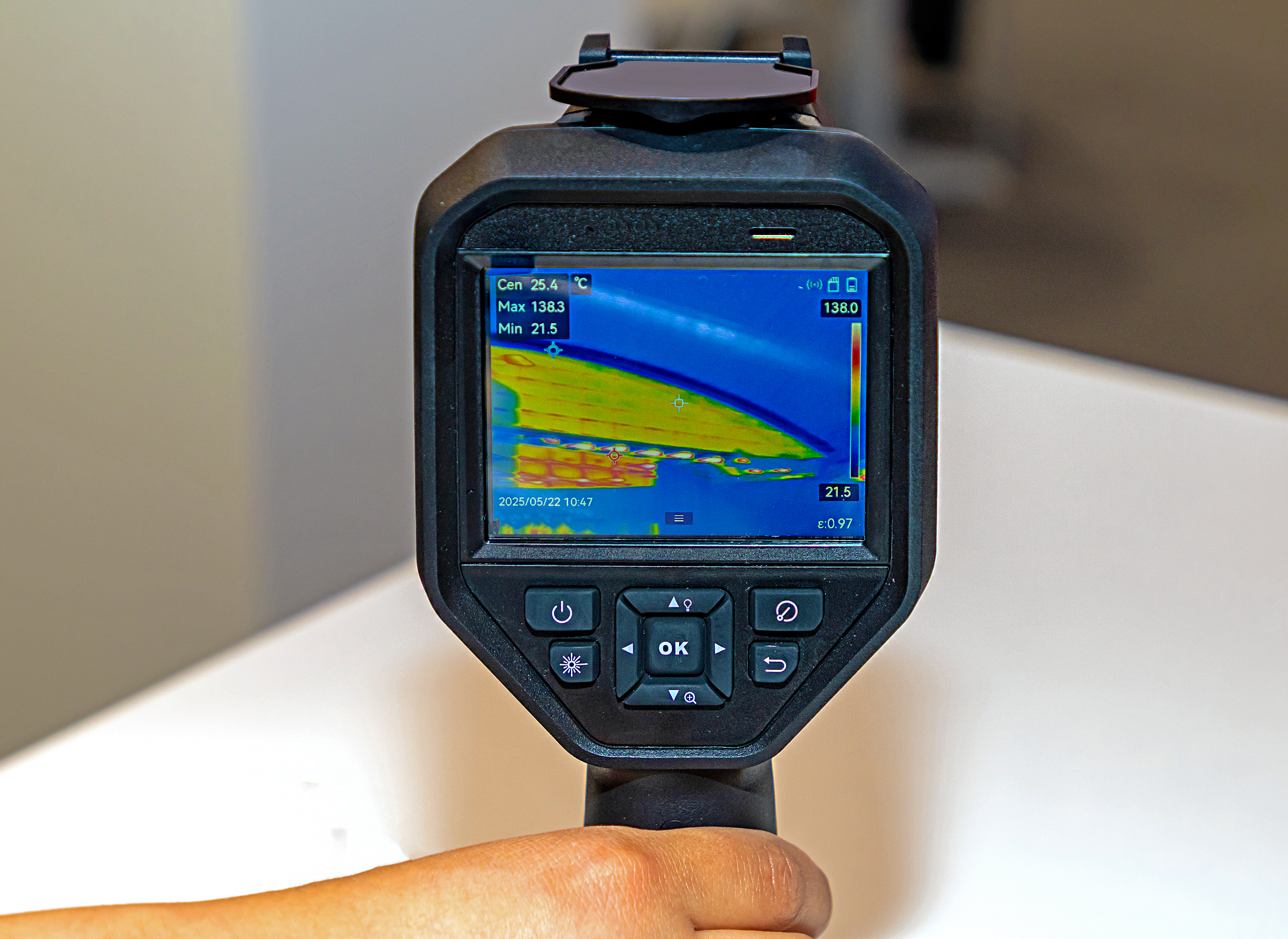
To detect moisture issues, specialized tools can be your best allies. Thermal imaging inspections are like having X-ray vision. They spot hidden moisture that the naked eye can’t see. These inspections use infrared technology to detect temperature differences, revealing moisture spots in walls and ceilings.
Another useful tool is the moisture meter. It measures the moisture level in materials, helping you pinpoint problem areas. When you know exactly where moisture is hiding, you can target your repairs more effectively. Combining these tools gives you a comprehensive view of your property’s health. You’re not just fixing problems; you’re preventing future ones. Dive deeper into thermal imaging here.
Licensed Mold Assessment Explained
Licensed mold assessments involve professionals who know exactly what to look for. They assess potential risks and evaluate the scope of mold presence. When you have a licensed expert on your side, you’re not just guessing. They provide a detailed report on mold risks and necessary actions.
This assessment is crucial because mold can often be hidden behind walls or under floors. A licensed assessment gives you peace of mind, knowing every corner has been checked. It’s not just about finding mold; it’s about understanding the conditions that allow it to grow. With this knowledge, you can prevent future issues and maintain a healthier environment for everyone involved.
Addressing Houston’s Unique Climate Challenges
Houston’s climate poses unique challenges that can impact your property. From high humidity to sudden weather changes, knowing how to manage these factors is critical for property health.
Impact of Houston Humidity
Houston’s humidity can be relentless. It’s like a blanket that never lifts, creating a perfect environment for moisture intrusion. This humidity can seep into your property, causing wood to warp and paint to peel. Over time, these small issues can become major headaches.
Managing humidity is about more than comfort—it’s about protecting your investment. By understanding how humidity affects your property, you can take proactive steps to mitigate its impact. This means checking for signs of moisture regularly and ensuring your property is well-ventilated.
Managing Vapor Drive and Dew Point
Vapor drive and dew point are terms you might not know, but they’re crucial in moisture management. Vapor drive is the movement of moisture through materials, and when the dew point is reached, condensation happens. In Houston, this can be a daily occurrence.
Understanding these concepts helps you manage moisture better. You can control the indoor climate to prevent condensation and protect your property. It’s about creating a balance where moisture doesn’t settle where it shouldn’t. By managing these factors, you’re taking control of your property’s future.
Preventing Condensation on Ducts
Condensation on ducts is a common issue that can lead to bigger problems. It’s not just about water droplets—it’s about what those droplets can do. They can cause rust, damage insulation, and lead to mold.
Preventing condensation involves ensuring your ducts are properly insulated and that airflow is balanced. Regular maintenance checks can catch issues before they escalate. By taking these steps, you’re not just fixing problems; you’re preventing them. This proactive approach saves you money and stress down the line.
Practical Steps for Long-Term Protection
Taking practical steps now ensures your property remains healthy and valuable. Here’s how you can protect your investment against moisture-related issues.
Identifying Moisture Intrusion Sources
Knowing where moisture might enter your property is the first step in protection. Common sources include roof leaks, window seals, and foundation cracks. By identifying these sources, you can address them promptly.
Regular inspections help you spot issues early. This isn’t just about fixing problems; it’s about preventing them from happening in the first place. By understanding where moisture might intrude, you’re taking a proactive approach to property care.
Effective Roof Leak Evaluation
Roof leaks can be sneaky. They might start as a small drip but can lead to significant damage over time. Evaluating your roof regularly is essential. Look for missing shingles, damaged flashing, and blocked gutters. These small checks can prevent large problems.
When you know what to look for, you can address issues quickly. This saves you money and prevents damage to your property’s interior. It’s not just about maintenance; it’s about protection.
Importance of Drainage and Grading in Houston
Proper drainage and grading are crucial in Houston’s climate. Without them, water can pool around your property, leading to foundation issues. Good drainage ensures water moves away from your building, protecting its structural integrity.
Grading the land around your property helps guide water flow. These steps might seem small, but they have a big impact on your property’s health. By understanding the importance of drainage and grading, you’re taking a significant step in long-term protection.
In conclusion, understanding moisture diagnostics and addressing Houston’s climate challenges can save you significant trouble down the line. By taking these proactive steps, you’re not just protecting your property—you’re enhancing its value and longevity.
Explore how our veteran-owned approach delivers unmatched inspection detail and trustworthiness.