Pre‑Warranty Home Inspections in Houston: What Matters at 10–12 Months
Most new Houston homeowners overlook the value of a pre-warranty inspection at 10 to 12 months. Yet this timing captures issues that often go unnoticed until after builder warranties expire. A clear, thorough builder warranty inspection helps you document conditions with precision and prioritize repairs suited to Houston’s unique climate. Understanding what truly matters now can protect your investment without adding pressure or alarm.
Importance of Pre-Warranty Inspections

You’re making a smart move by exploring the benefits of pre-warranty inspections. These inspections offer a chance to catch potential issues before your builder’s warranty expires, saving you from future headaches. Understanding these timelines can make all the difference.
Understanding Builder Warranty Timelines
Builder warranties typically cover a one-year period. This means you have a limited window to identify and report any issues that might arise. The key is timing your inspection between 10 and 12 months. This ensures you can address potential problems while still under warranty. Imagine catching a small leak before it becomes a major repair. That’s the power of a well-timed inspection.
Benefits of a 10–12 Month Review
At the 10 to 12-month mark, you have lived in your home long enough to notice any quirks or issues. This is the perfect time to conduct a thorough review. The inspection helps pinpoint areas that need attention, providing peace of mind. You’ll have a clear list of items to discuss with your builder, ensuring nothing slips through the cracks. Plus, it prepares you for any maintenance you might need to tackle.
Common Issues in Houston Homes
Houston’s climate presents unique challenges for homeowners. The heat and humidity can be tough on your home. Common issues include foundation movement, HVAC inefficiencies, and moisture intrusion. Identifying these problems early can save you from costly repairs down the line. Instead of playing catch-up, you’ll be ahead of potential issues, protecting your investment.
Key Inspection Areas in Houston

Let’s dive into the specifics. Understanding the key areas inspectors focus on in Houston homes will better prepare you for your inspection. These areas are crucial for maintaining your home’s integrity in the local climate.
Building Envelope and Drainage
Houston’s heavy rains mean effective drainage is vital. Inspectors will assess the grading around your home to prevent water pooling, which can lead to foundation problems. The building envelope, including your home’s exterior, is checked for signs of moisture intrusion. This helps keep your home dry and safe from water damage. Proper drainage and a solid envelope protect your home from Houston’s weather extremes.
Roof and Exterior Cladding Concerns
Roofs take a beating from sun and storms. Inspectors will look for missing shingles, damaged gutters, and issues with roof flashing. Exterior cladding like stucco or brick will be checked for cracks or gaps. Addressing these now prevents leaks and ensures your home’s exterior remains solid. Keeping a close eye on these elements can prevent more significant issues later.
HVAC and Insulation Performance
Houston’s hot climate demands efficient HVAC systems. Inspectors evaluate your system’s performance to ensure it’s cooling properly. They also check insulation in your attic and walls to keep energy bills in check. Proper insulation and HVAC performance are critical for comfort and cost savings. This inspection ensures your home stays cool without breaking the bank.
Preparing for Your Inspection
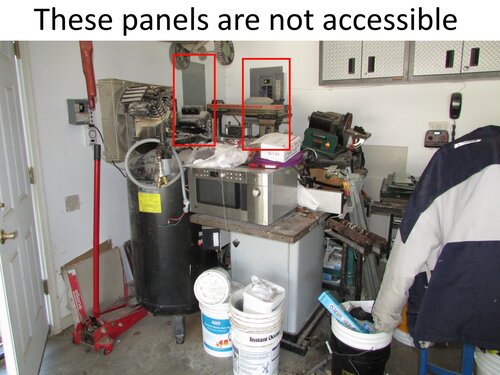
Now that you know what to expect, let’s talk about preparation. Being organized can make your inspection process smoother and more effective.
Gathering Documentation and Reports
Start by collecting all relevant documents related to your home. This includes previous inspection reports, warranty information, and maintenance records. Having these on hand helps the inspector understand your home’s history and identify recurring issues. Organized documentation ensures a comprehensive inspection and makes communication with builders easier.
Communicating with Builders and Agents
Clear communication with your builder and real estate agent is essential. Let them know about the upcoming inspection and any concerns you have. This ensures everyone is on the same page and aware of what to expect. Keeping open lines of communication helps address issues promptly and effectively. It’s all about teamwork to protect your investment.
Prioritizing Repairs and Maintenance
After the inspection, you’ll receive a detailed report. Use this to prioritize repairs and maintenance tasks. Focus on items that could impact your home’s safety and functionality. Addressing these promptly ensures your home remains in top shape. By prioritizing, you’ll manage costs and upkeep efficiently, safeguarding your investment for the long term.
Explore how our veteran-owned approach delivers unmatched inspection detail and trustworthiness.