What Is a Building Energy Audit?
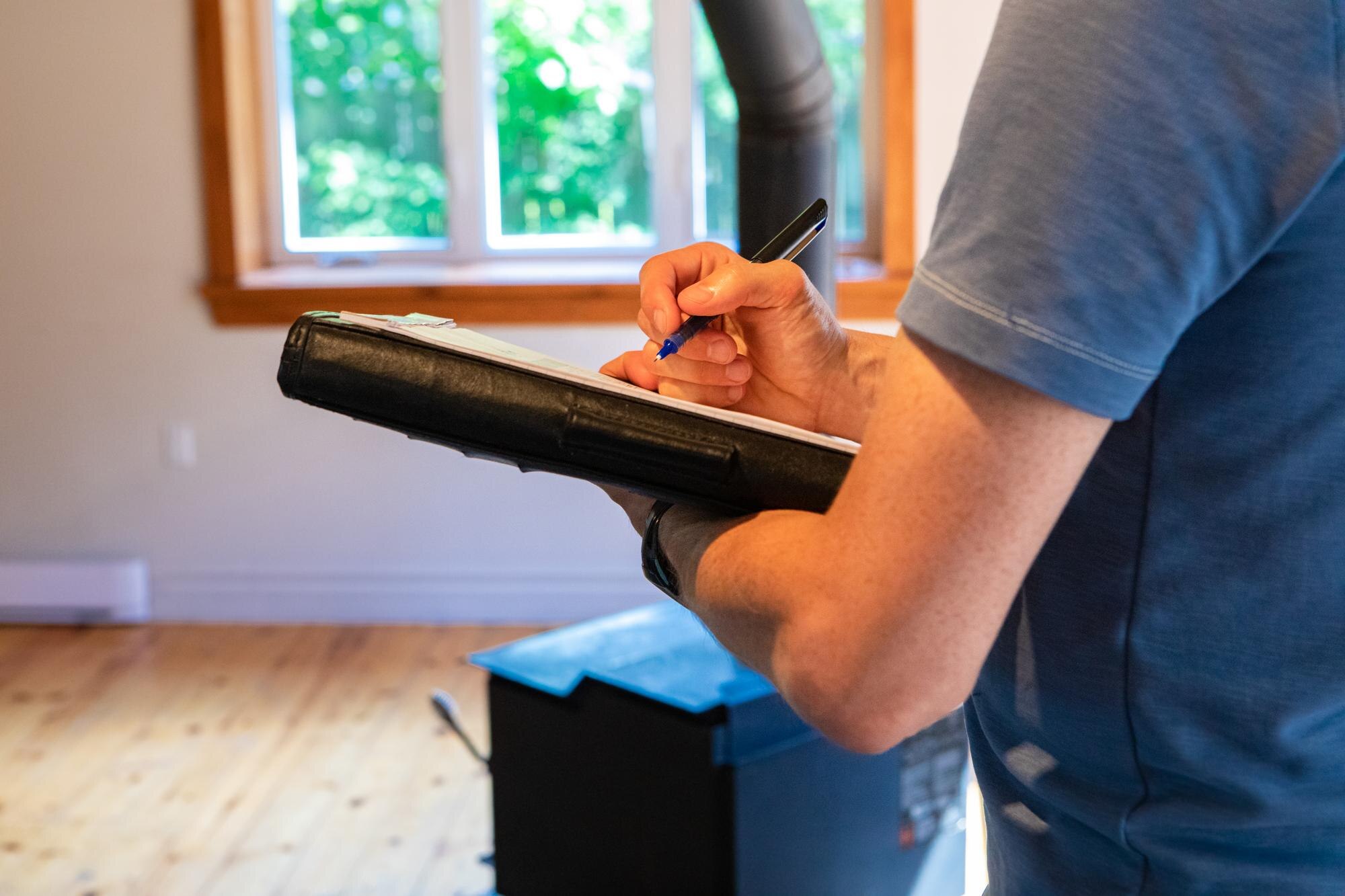
A building energy audit is a detailed evaluation of how a property consumes energy and where opportunities exist to improve efficiency. Whether for residential or commercial buildings, an energy audit helps identify areas of energy loss, inefficient equipment, and operational improvements that can reduce utility costs while improving overall building performance. Conducting regular audits allows property owners to make informed decisions and prioritize upgrades that deliver measurable long-term value.
Review Utility Usage and Energy Patterns
The first step in any energy audit is understanding current energy consumption. Reviewing recent utility bills helps establish usage trends, identify seasonal fluctuations, and highlight areas where energy costs may be unusually high. Comparing current performance with historical data creates a baseline for measuring future improvements and tracking savings.
Inspect Building Envelope Performance
A building’s exterior plays a major role in energy efficiency. Evaluate insulation levels, wall conditions, roofing materials, windows, doors, and any areas where air leakage may occur. Gaps, poor insulation, and aging materials can increase heating and cooling demands and contribute to unnecessary energy loss throughout the year.
Evaluate Heating, Cooling, and Ventilation Systems
Heating and cooling systems are often among the largest energy consumers in a building. Inspect HVAC equipment for age, maintenance history, airflow performance, thermostat settings, and overall operational efficiency. Replacing outdated systems or improving maintenance practices may lead to noticeable reductions in energy usage and improved occupant comfort.
Check Lighting and Electrical Systems
Lighting upgrades can create immediate energy savings opportunities. Review existing lighting fixtures, operating schedules, occupancy controls, and opportunities to transition to energy-efficient solutions. Electrical equipment should also be evaluated to identify devices that consume unnecessary power or operate inefficiently.
Assess Water Heating and Equipment Efficiency
Water heating systems should be reviewed for efficiency, insulation quality, temperature settings, and equipment condition. Additional building systems such as appliances, pumps, controls, and specialty equipment should also be assessed to identify potential performance improvements.
Identify Opportunities and Create an Action Plan
Once the audit is complete, prioritize recommendations based on cost, expected savings, and implementation timelines. Some improvements may provide immediate returns through operational changes, while larger upgrades can deliver greater long-term efficiency benefits. Developing a clear action plan ensures improvements are implemented strategically and performance gains are sustained over time.
Build a More Efficient and Sustainable Property
A building energy audit is more than a checklist—it is a practical strategy for reducing operating costs and improving building performance. By identifying inefficiencies and creating targeted improvement plans, property owners can increase energy savings, enhance occupant comfort, and build a more efficient future.